


Are you tired of the morning rush? Do you dream of a healthy breakfast but lack the time (or energy!) to cook? Many of us struggle to find a quick, nutritious clean eating breakfast that fits into our busy schedules. This article is your solution! We’ll explore ten delicious and satisfying breakfast options, all prepared in under ten minutes, and requiring absolutely no cooking. Discover how easy it is to start your day with a clean eating approach, even on the busiest mornings. Say goodbye to sugary cereals and processed pastries and hello to a vibrant, energized you!

Why Choose a Quick & Easy Clean Eating Breakfast?
A healthy breakfast sets the tone for the entire day. It provides the sustained energy you need to power through your morning, improving focus and productivity. But let’s be honest: finding the time to prepare a healthy breakfast can feel like an impossible task, especially for busy professionals, students, parents, and anyone juggling multiple responsibilities. Skipping breakfast, however, is often counterproductive, leading to decreased energy levels, increased cravings later in the day, and even impacting overall health goals. That’s where quick and easy clean eating breakfast recipes come in. This article provides a range of simple, no-cook breakfast ideas that satisfy your hunger and your health aspirations simultaneously.
The Power of No-Cook Clean Eating Breakfast Recipes
This collection of 10 minute breakfast recipes focuses on minimizing cooking time without compromising on nutritional value. Many of these simple breakfast recipes emphasize fresh, whole ingredients that are easy to prepare and digest. These healthy breakfast ideas are designed to maximize nutrients and minimize added sugars and processed ingredients. You’ll learn how to create delicious and easy breakfast recipes that fit into even the most hectic schedules. This simple approach helps to improve dietary adherence, making healthy eating a sustainable part of your daily routine. Choosing a healthy breakfast on the go or a simple breakfast becomes effortless when you have convenient options readily available.
What Makes a Breakfast “Clean Eating”?
The core principle behind a clean eating breakfast is simplicity. We prioritize whole, unprocessed foods and minimize refined sugars and artificial ingredients. It’s about making informed choices that nourish your body. This doesn’t mean restrictive dieting; instead, it’s about making conscious decisions to fuel your body with quality ingredients. You’ll discover that adopting a clean eating approach can be both simple and satisfying—perfect for busy mornings.
What is a Clean Eating Breakfast? Understanding the Principles
The term “clean eating” often sparks debate, but at its core, it’s a simple philosophy: prioritize whole, unprocessed foods while minimizing refined sugars and artificial ingredients. A clean eating breakfast isn’t about strict rules or deprivation; it’s about making intentional choices to fuel your body with nutrient-rich foods. Think of it as a mindful approach to eating, focusing on the quality and origin of your food. This approach to healthy breakfast recipes allows for flexibility and personalization, fitting diverse tastes and dietary needs.
Defining a Clean Eating Breakfast: More Than Just a Diet
A clean eating breakfast emphasizes whole, unprocessed foods in their most natural state. This means minimizing or eliminating processed foods, added sugars, artificial sweeteners, unhealthy fats, and excessive sodium. It’s about choosing ingredients that are close to their natural form, without extensive processing or artificial additives. This simple shift in focus can significantly improve your overall diet and impact your energy levels and well-being. This approach to a healthy breakfast offers numerous advantages. The emphasis is on real food, not restrictive dieting. Many clean eating recipes are easy breakfast ideas, fitting even the busiest schedules.
The Benefits of a Clean Eating Breakfast Approach
By focusing on whole, unprocessed foods, a clean eating breakfast provides several benefits. Firstly, it supports sustained energy levels, avoiding the common sugar crash experienced after consuming processed breakfast items. Secondly, clean eating breakfasts are often higher in fiber, promoting healthy digestion and regularity. Thirdly, the increased intake of vitamins, minerals, and antioxidants contributes to overall well-being and may reduce the risk of chronic diseases. This results in a healthier breakfast that truly fuels your body. Many people find that easy healthy breakfast recipes can significantly improve their health and energy levels.
Building Your Clean Eating Breakfast: A Checklist
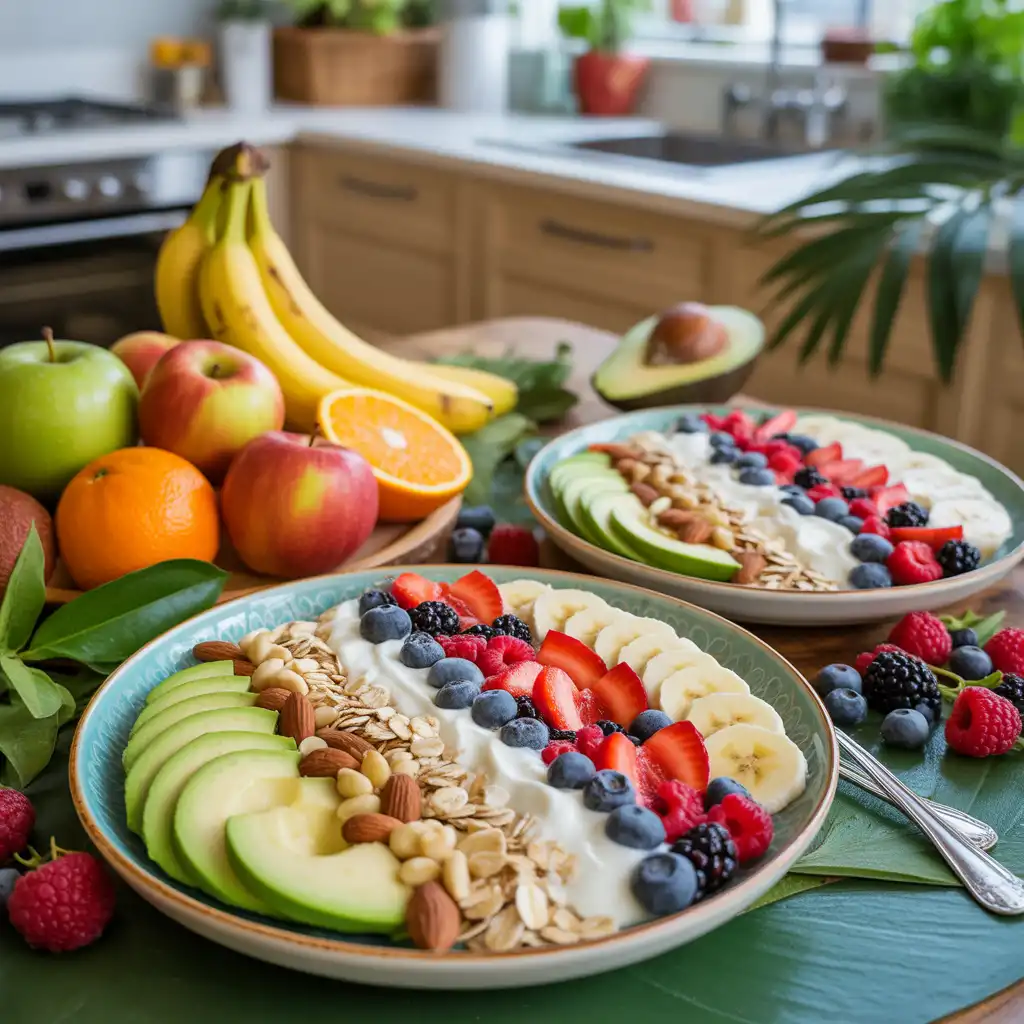
Creating a clean eating breakfast is simpler than you might think. Here’s a quick checklist of food categories to guide your choices:
- Whole Grains: Oats (rolled or steel-cut), quinoa (pre-cooked), whole-wheat bread or tortillas
- Fruits: Berries (fresh or frozen), bananas, apples, oranges, other seasonal fruits
- Healthy Fats: Avocado, nuts (almonds, walnuts, pecans), seeds (chia, flax, pumpkin), nut butters (natural, no added sugar)
- Lean Protein: Greek yogurt (plain), eggs (hard-boiled or scrambled), cottage cheese
- Vegetables: Spinach, kale (added to smoothies), sliced tomatoes (on toast)
What to Minimize or Avoid in Your Clean Eating Breakfast
While clean eating is inclusive, it encourages you to reduce or eliminate certain ingredients. These include: processed cereals, sugary yogurts, pastries, processed meats, refined sugars, and highly processed breakfast bars or muffins. These often contain high levels of added sugars, unhealthy fats, and artificial ingredients that can negatively impact energy levels and overall health. Consider these ingredients as occasional treats rather than staples in your clean eating breakfast routine. This approach focuses on whole, unprocessed ingredients to provide consistent energy and optimal nutrition.
Clean Eating Breakfast: A Personalized Approach
Clean eating isn’t a one-size-fits-all approach. It’s about finding what works best for your body and preferences. Experiment with different combinations of whole grains, fruits, healthy fats, and lean proteins to discover your favorite clean eating breakfast recipes. Remember that easy healthy breakfast ideas don’t have to be boring! You can adapt the recipes in this guide to create flavorful and satisfying breakfasts that fit your individual dietary needs and preferences. A clean eating breakfast offers a pathway to sustained energy and improved overall health.
Why No-Cook Breakfasts are the Perfect Partner for Clean Eating
When we think of clean eating, we often picture elaborate meals requiring hours of preparation. But the truth is, a healthy, no-cook breakfast can be just as—if not more—effective in achieving your clean eating goals. This approach leverages fresh, unprocessed ingredients, offering both convenience and nutritional benefits. By eliminating the need for cooking, you unlock a faster, simpler, and more sustainable pathway to a healthier lifestyle. No-cook clean breakfasts often result in better digestion, sustained energy, and less added sugar, making them ideal for busy individuals seeking a quick and nutritious start to their day.
Fresh, Unprocessed Ingredients: The Cornerstone of No-Cook Clean Eating
No-cook breakfasts naturally lend themselves to using fresh, whole ingredients. Unlike many processed breakfast options that rely on preservatives and added sugars to extend shelf life, no-cook meals emphasize the inherent goodness of fresh fruits, vegetables, nuts, seeds, and whole grains. By choosing unprocessed ingredients, you’re ensuring that your breakfast is packed with essential vitamins, minerals, and antioxidants, supporting overall health and well-being. This commitment to fresh ingredients is key to a successful and enjoyable clean eating approach. Prepping ingredients in advance even further reduces morning stress and makes this type of quick breakfast easily sustainable.
Health Benefits of No-Cook Clean Eating Breakfasts
The absence of cooking not only saves time but also helps preserve vital nutrients. Many vitamins and minerals are sensitive to high heat, and cooking can significantly reduce their potency. By consuming fresh, uncooked ingredients, you maximize the nutritional value of your breakfast. This, in turn, leads to various health benefits. Firstly, improved digestion is often noted due to the gentler nature of raw ingredients on your digestive system. Secondly, these breakfasts provide sustained energy throughout the morning, unlike sugary processed options that cause rapid spikes and crashes in blood sugar levels. Finally, by avoiding added sugars, you’re preventing the negative impacts of excessive sugar intake. These benefits contribute to overall well-being and make it easier to maintain a healthy lifestyle.
No-Cook Breakfasts: Boosting Adherence to Healthy Eating Habits
Let’s face it: the biggest hurdle to healthy eating is often the perceived lack of time. No-cook breakfast recipes directly address this challenge. The simplicity and speed of preparation make it far easier to stick to a healthy eating plan. When a nutritious, clean breakfast is readily available and takes only a few minutes to prepare, the likelihood of skipping breakfast—or resorting to unhealthy alternatives—drastically decreases. This convenience is especially beneficial for busy individuals, such as professionals, students, and parents, who often struggle to find time for meal preparation. The ease of preparation significantly contributes to sustainable healthy eating habits.
Clean Eating on the Go: No-Cook Breakfasts for Busy Lifestyles
No-cook clean eating breakfasts are the perfect solution for busy lifestyles. Many recipes can be prepared the night before, allowing you to grab a healthy breakfast and head out the door without delay. This is invaluable for individuals with hectic schedules or those who need a quick healthy breakfast before work, school, or other commitments. The focus on portability also extends to the ingredients themselves – easy to pack, easily transportable, and simple to eat on the move. This makes healthy eating convenient, regardless of your location or activity.
Ingredient Staples for Quick & Easy Clean Eating Breakfasts
Stocking your pantry and fridge with the right ingredients is the key to consistently enjoying quick and healthy clean eating breakfasts. This section outlines essential items, offering budget-friendly tips to streamline your grocery shopping. By having these staples on hand, you’ll be ready to whip up a delicious and nutritious breakfast in minutes, without any cooking required. This approach simplifies your morning routine and makes healthy eating a sustainable part of your daily life.
Essential Ingredients for Your Clean Eating Breakfasts
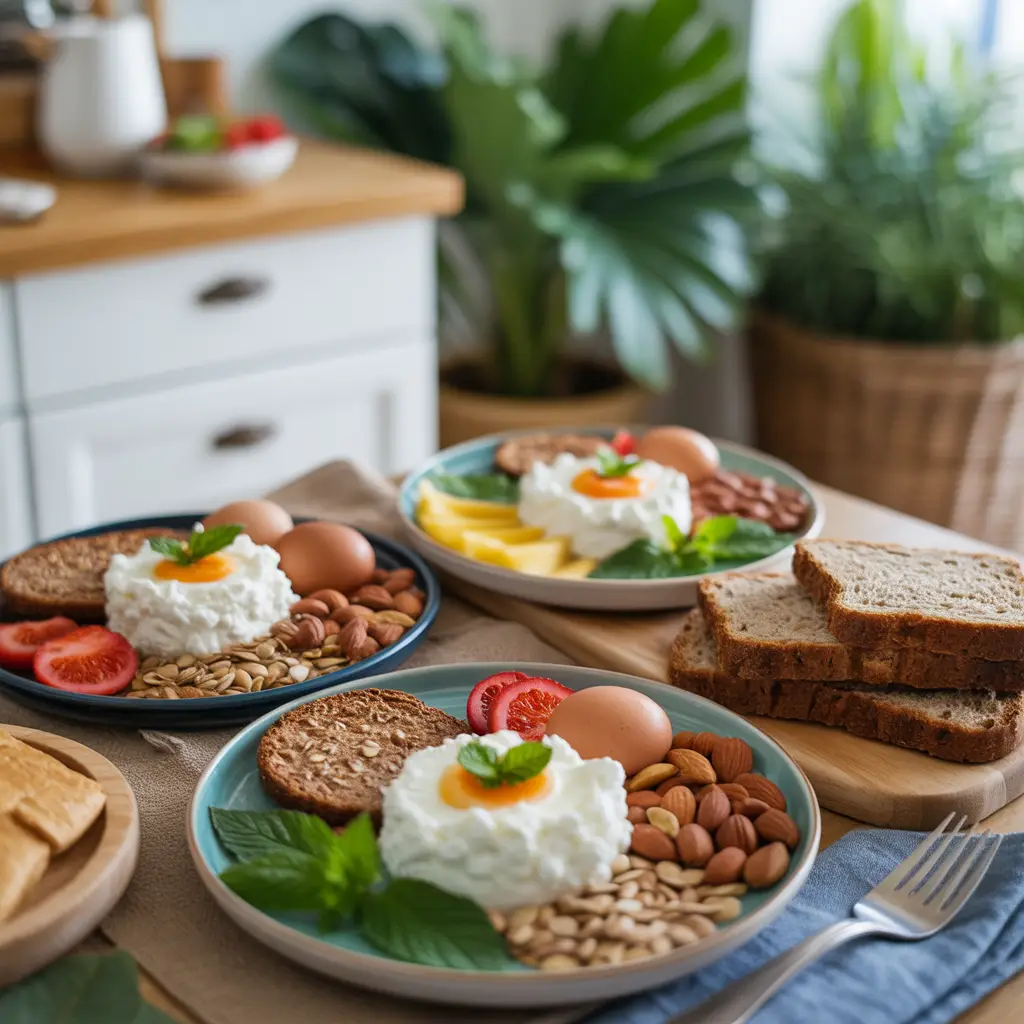
These versatile ingredients form the foundation for numerous quick and healthy breakfast recipes. They are cost-effective, readily available, and can be used in various combinations to create a wide array of flavorful and nutritious breakfasts. Remember to choose high-quality ingredients whenever possible, prioritizing organic options when feasible.
- Rolled Oats: A base for overnight oats, providing fiber and sustained energy. Choose certified gluten-free oats if needed.
- Chia Seeds: A nutritional powerhouse, adding fiber, omega-3 fatty acids, and protein to your breakfast. They also help thicken overnight oats or smoothies.
- Greek Yogurt (Plain): High in protein, serving as a base for parfaits or a standalone breakfast. Opt for plain, unsweetened varieties to avoid added sugar.
- Berries (Fresh or Frozen): Naturally sweet and packed with antioxidants. Frozen berries are a budget-friendly alternative that retain their nutritional value.
- Nuts & Seeds: Almonds, walnuts, pecans, pumpkin seeds, sunflower seeds—all offer healthy fats, protein, and fiber. They’re great as toppings or additions to smoothies.
- Nut Butters (Natural): Almond butter, peanut butter, cashew butter provide healthy fats and protein. Choose natural varieties without added sugar or oils.
- Avocado: A creamy source of healthy fats and fiber. Perfect for avocado toast or added to smoothies.
- Almond Milk (Unsweetened): A dairy-free alternative to cow’s milk, ideal for overnight oats or smoothies. Check the ingredients to ensure no added sugars.
- Whole-Wheat Bread or Crackers: A base for avocado toast or a side with eggs or cottage cheese. Look for options with minimal added ingredients.
- Eggs: A great source of protein. Hard-boil a batch at the beginning of the week for grab-and-go breakfasts.
- Cottage Cheese: Another excellent source of protein, offering a creamy texture. Opt for low-fat or fat-free varieties.
Budget-Friendly Tips for Clean Eating Breakfasts
Clean eating doesn’t have to break the bank! Here are some tips to keep your breakfast costs down:
- Buy in bulk: Oats, nuts, and seeds are often cheaper when purchased in larger quantities.
- Seasonal fruits and vegetables: These are typically more affordable and taste better when in season.
- Shop sales and use coupons: Check weekly flyers and use coupons to save money on groceries.
- Plan your meals: Creating a weekly meal plan helps you avoid impulse purchases and reduces food waste.
- Cook once, eat multiple times: Prepare a large batch of quinoa or hard-boiled eggs to use throughout the week.
10 Delicious Clean Eating Breakfasts (No Cooking Needed!)
Below are ten simple, no-cook breakfast recipes designed to nourish your body with whole, unprocessed ingredients. Each recipe takes under ten minutes to prepare, making healthy eating achievable even on the busiest mornings. Remember to adjust portion sizes based on your individual needs and dietary goals. This collection offers a blend of classic and unique recipes to inspire your daily clean eating journey. These healthy breakfast recipes are perfect for busy professionals, students, and parents alike.
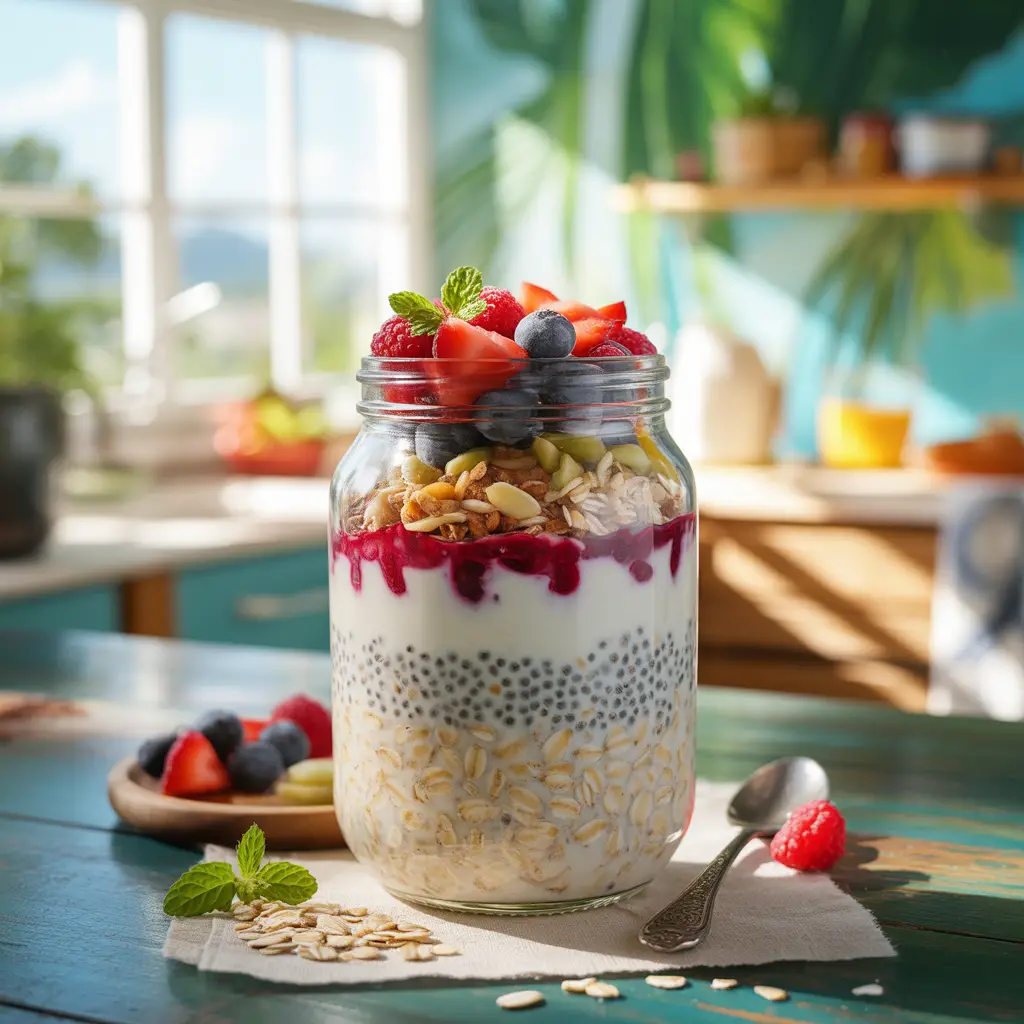
1. Overnight Oats
- Prep Time: 5 minutes (night before)
- Ingredients:
- ½ cup rolled oats
- 1 cup milk (dairy or non-dairy)
- 1 tbsp chia seeds
- ½ cup berries (fresh or frozen)
- 1 tbsp nuts or seeds
- Clean Eating Rationale: High in fiber, protein, and healthy fats for sustained energy.
- Instructions: Combine all ingredients in a jar or container. Refrigerate overnight. Enjoy cold.
- Optional Add-ons: Cinnamon, a small amount of maple syrup, shredded coconut.
- Dietary Notes: Gluten-free (use certified gluten-free oats), adaptable for dairy-free diets.
2. Greek Yogurt Parfait
- Prep Time: 3 minutes
- Ingredients:
- 1 cup plain Greek yogurt
- ½ cup berries
- ¼ cup unsweetened granola
- 1 tbsp chopped nuts
- Clean Eating Benefits: High in protein and antioxidants; balanced macronutrients.
- Instructions: Layer yogurt, berries, granola, and nuts in a glass or bowl.
- Optional Add-ons: Drizzle of honey, chia seeds.
- Dietary Notes:
- Dairy-free: Use coconut yogurt.
- Lower-carb: Reduce granola.
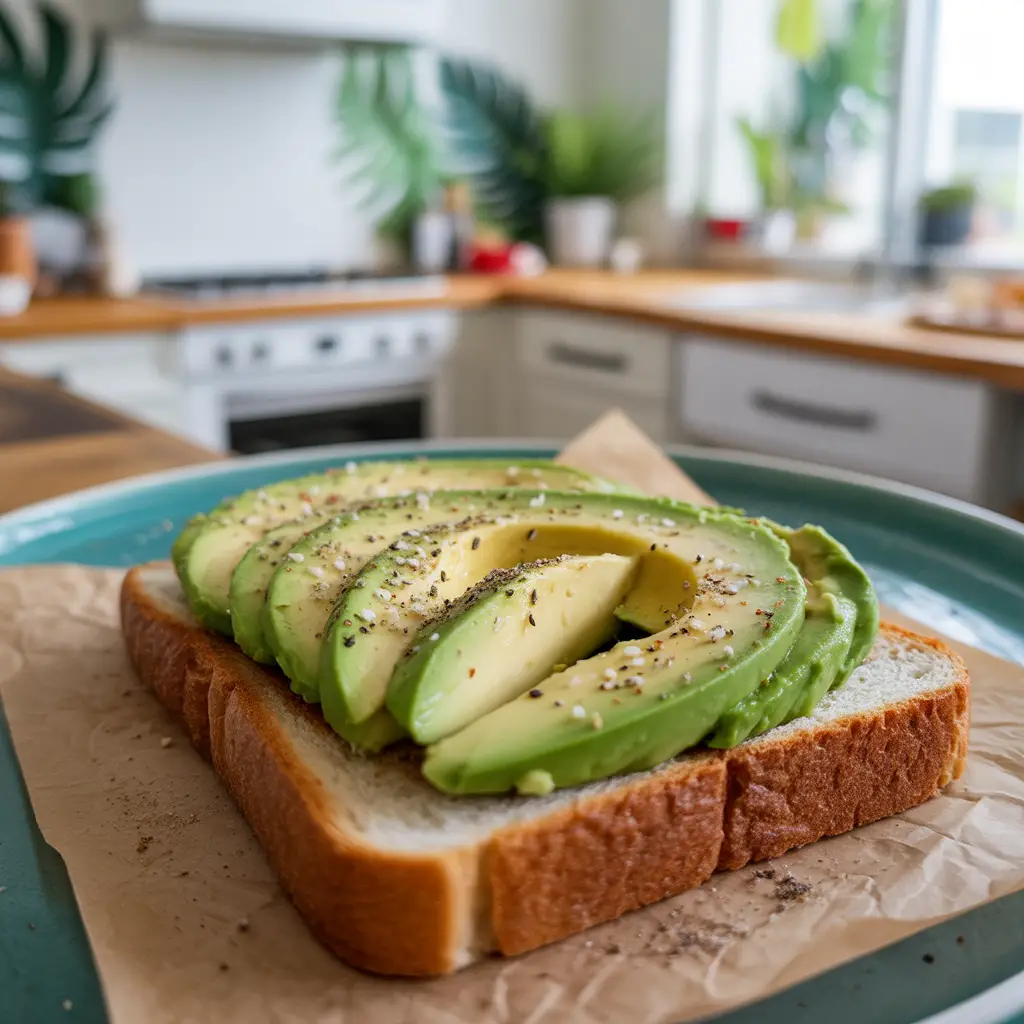
3. Avocado Toast
- Prep Time: 5 minutes
- Ingredients:
- 1 slice whole-wheat toast
- ½ avocado
- Salt
- Pepper
- Everything bagel seasoning (optional)
- Clean Eating Rationale: Provides healthy fats, fiber, and protein from avocado.
- Instructions:
- Toast bread.
- Mash avocado and spread on toast.
- Season with salt, pepper, and everything bagel seasoning (optional).
- Optional Add-ons:
- Red pepper flakes
- Sprinkle of nutritional yeast
- Dietary Notes: Use gluten-free bread if needed.
4. Fruit Salad with Nuts
- Prep Time: 5 minutes
- Ingredients:
- 1 cup mixed berries
- ½ cup chopped apple
- ¼ cup chopped nuts (almonds, walnuts)
- 1 tbsp chia seeds
- Clean Eating Rationale: High in vitamins, minerals, fiber, and healthy fats.
- Instructions: Combine all ingredients in a bowl.
- Optional Add-ons: A squeeze of lemon juice, a sprinkle of cinnamon.
- Dietary Notes: Naturally gluten-free and dairy-free.
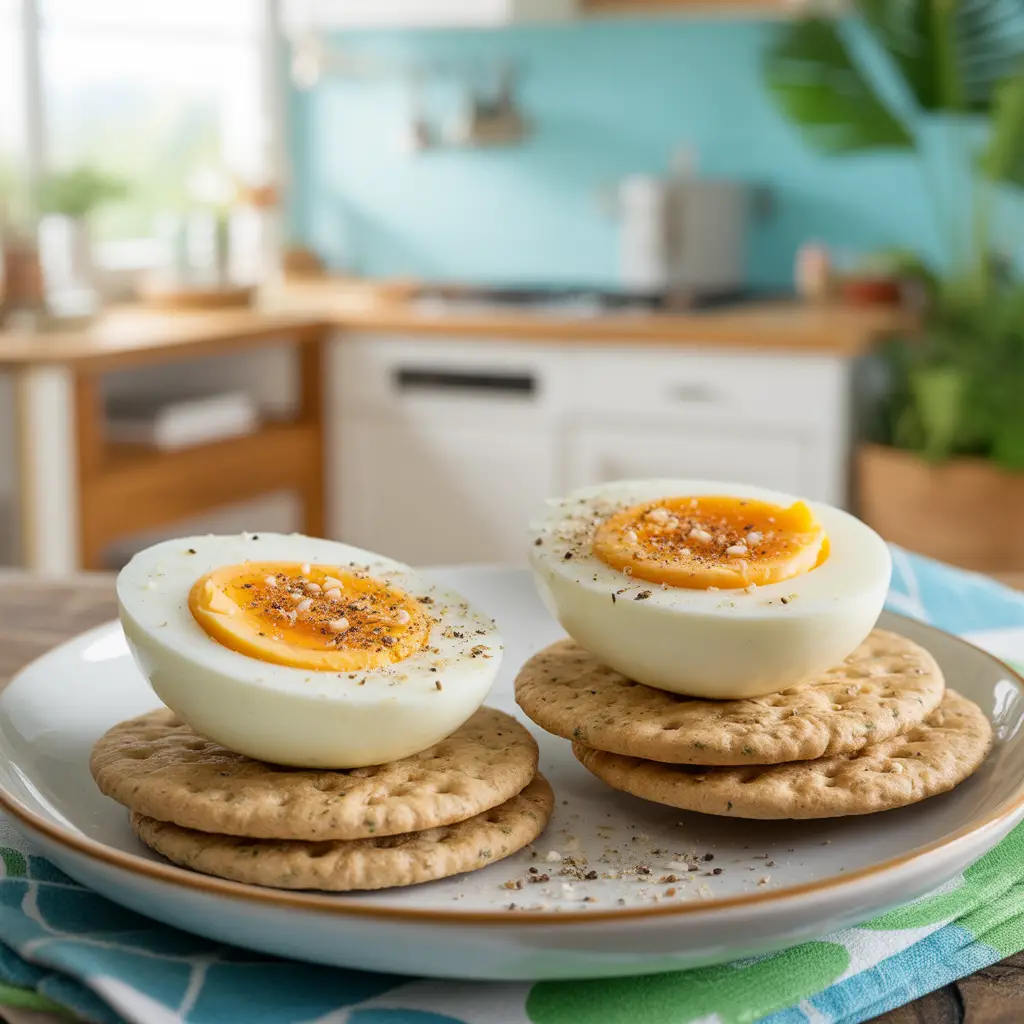
5. Hard-Boiled Eggs & Whole-Wheat Crackers
- Prep Time: 2 minutes (eggs pre-boiled)
- Ingredients: 2 hard-boiled eggs, 4 whole-wheat crackers
- Clean Eating: High in protein and fiber; simple and satisfying
- Instructions: Slice eggs and serve with crackers
- Optional: Everything Bagel seasoning, salt, and pepper
- Dietary: Naturally gluten-free (ensure crackers are gluten-free if needed)
6. Cottage Cheese with Berries
- Prep Time: 2 minutes
- Ingredients: ½ cup low-fat cottage cheese, ½ cup mixed berries
- Benefits: High in protein and antioxidants; light and refreshing
- Instructions: Top cottage cheese with berries
- Optional: Drizzle honey, sprinkle cinnamon
- Dietary: Adaptable for dairy-free diets
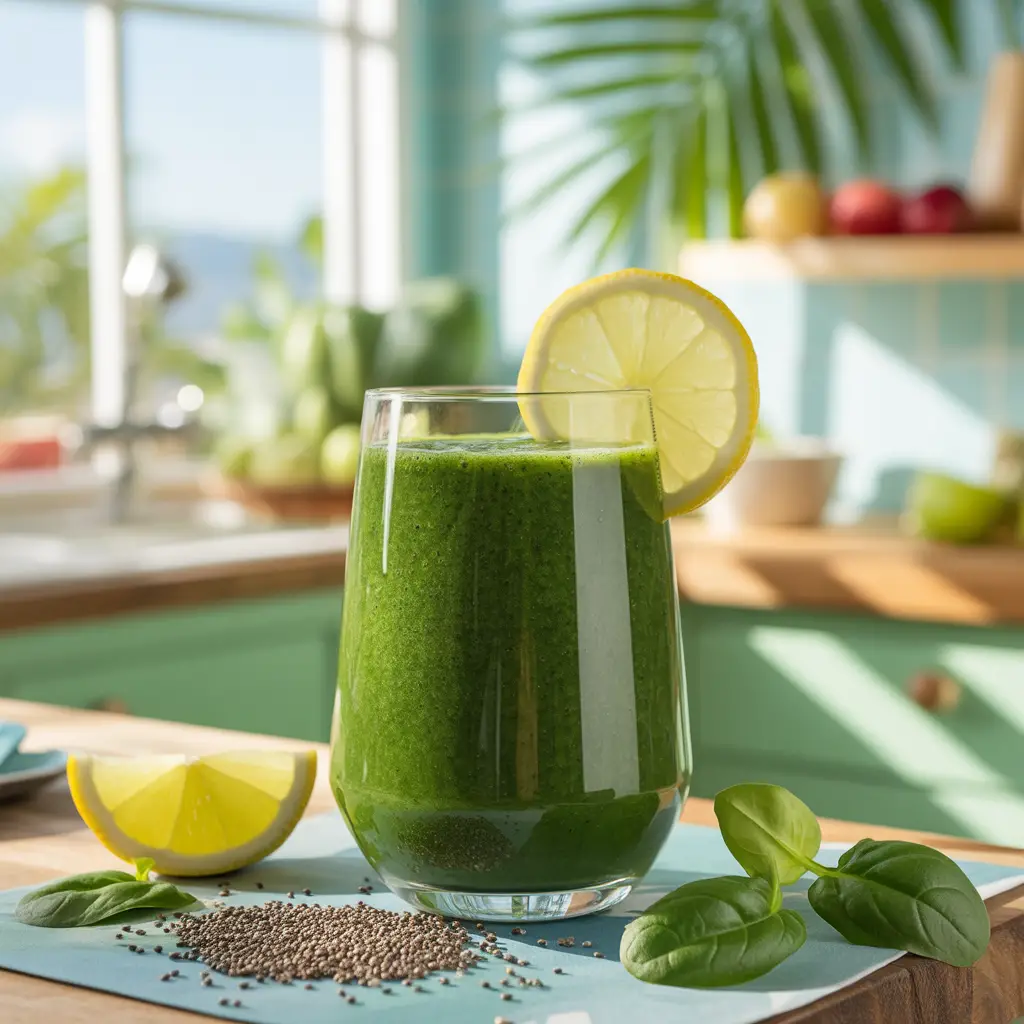
7. Green Power Smoothie
- Prep Time: 5 minutes
- Ingredients: 1 cup spinach, ½ cup frozen berries, ½ frozen banana, ½ cup almond milk, 1 scoop protein powder (optional)
- Clean Eating Rationale: High in nutrients, fiber, and antioxidants. A quick way to get your greens.
- Instructions: Blend all ingredients until smooth.
- Optional Add-ons: Chia seeds, flax seeds, a squeeze of lemon juice
- Dietary Notes: Easily adaptable to various dietary needs. Choose protein powder to match dietary requirements.
8. Peanut Butter & Banana Sandwich
- Prep Time: 3 minutes
- Ingredients: 2 slices whole-wheat bread, 2 tbsp natural peanut butter, ½ banana
- Clean Eating Benefits: Healthy fats, protein, potassium
- Instructions: Spread peanut butter on bread, top with banana slices
- Optional Add-ons: Sprinkle cinnamon, drizzle honey (small amount)
- Dietary Notes: Use gluten-free bread if needed; choose peanut butter without added sugars or oils
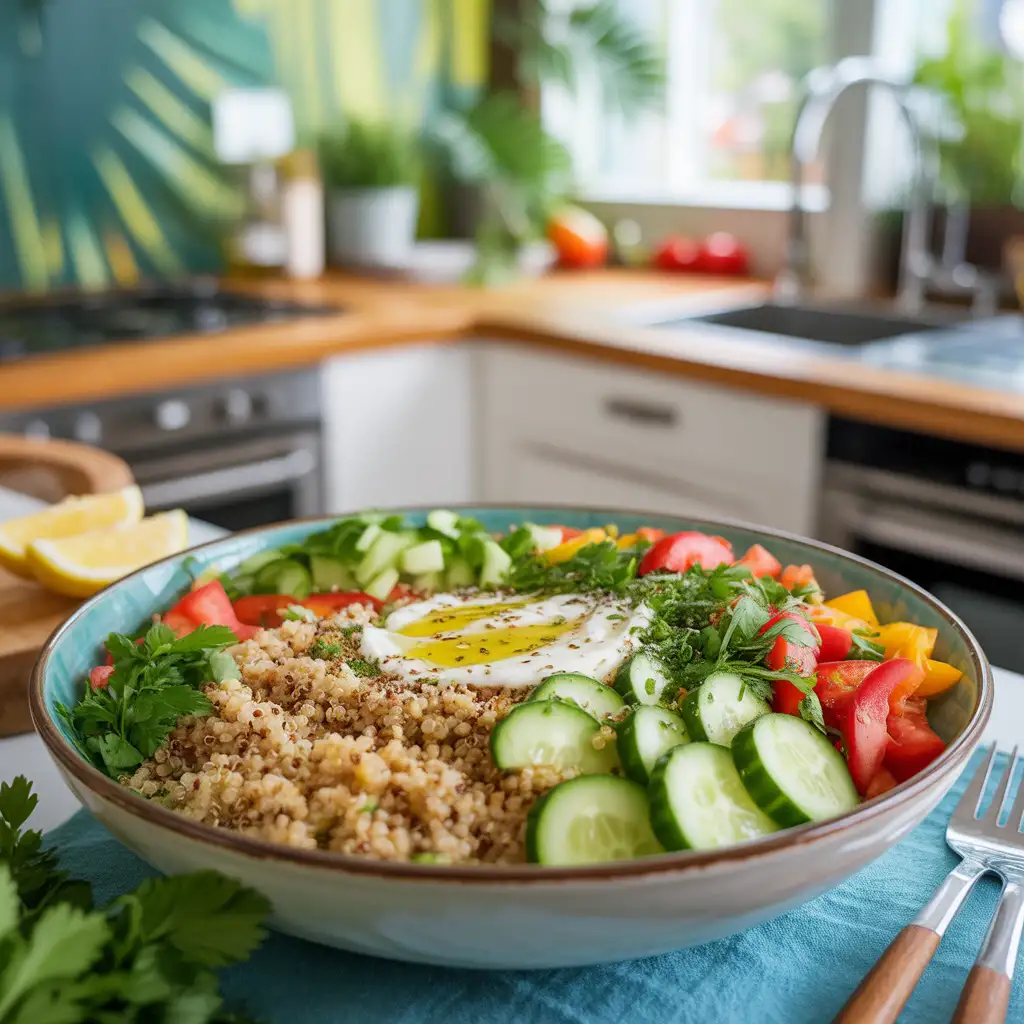
9. Leftover Quinoa Power Bowl
- Prep Time: 5 minutes (quinoa pre-cooked)
- Ingredients:
- ½ cup cooked quinoa
- ½ cup chopped vegetables (cucumber, bell peppers, tomatoes)
- 2 tbsp chopped herbs (parsley, cilantro)
- 1 tbsp olive oil
- Clean Eating: High in protein and fiber. Great for using leftovers.
- Instructions: Combine all ingredients in a bowl.
- Optional Add-ons: Squeeze of lemon juice, small amount of feta cheese.
- Dietary Notes: Naturally gluten-free and dairy-free (omit feta).
10. Apple Slices with Almond Butter
- Prep Time: 2 minutes
- Ingredients: 1 apple, sliced; 2 tbsp almond butter
- Benefits: Offers fiber and healthy fats. Simple and satisfying.
- Instructions: Spread almond butter on apple slices.
- Optional: Sprinkle cinnamon or add a few raisins.
- Dietary Notes: Gluten-free and dairy-free.
Prep Tips for Even Faster & Healthier Mornings
Even with quick and easy recipes, a little planning can make your mornings even smoother. These simple prep strategies will transform your breakfast routine, ensuring you consistently enjoy a healthy clean eating breakfast without sacrificing precious time. By implementing these suggestions, you can make healthy eating effortless, even during your busiest weeks.
Overnight Prep: Maximize Your Time
Overnight preparation is your secret weapon for a stress-free morning. Many clean eating breakfasts lend themselves perfectly to overnight prep, allowing you to wake up to a ready-to-eat meal. This minimizes morning prep time and allows for more efficient mornings. Overnight oats and chia pudding are prime examples. The soaking time enhances the texture and digestibility of the ingredients while providing a delicious and convenient meal.
Overnight Oats: A Customizable Clean Eating Breakfast
Overnight oats are incredibly versatile. Combine rolled oats, milk (dairy or non-dairy), chia seeds in a jar or container. Add your favorite toppings—berries, nuts, seeds—the night before, and you’ll wake up to a ready-to-eat healthy breakfast. Experiment with different flavor combinations and textures, creating your signature overnight oats recipe. This quick breakfast is not only convenient but also highly customizable, allowing you to explore various combinations of ingredients to match your taste and dietary preferences. For example, add cinnamon and a small amount of maple syrup for extra flavor.
Chia Seed Pudding: A Creamy & Nutritious Option
Chia seed pudding provides a smooth, creamy texture. Combine chia seeds with your preferred milk and sweetener (optional). Let it sit in the refrigerator overnight, allowing the seeds to absorb the liquid and create a pudding-like consistency. Add fruits, nuts, or cocoa powder for added flavor and nutrients. This simple and nutritious option is a perfect grab-and-go breakfast. You can prepare several servings in advance for a quick breakfast throughout the week. The chia seeds add fiber and omega-3 fatty acids for a healthy and delicious start to your day.
Meal Prep for the Week: Consistency is Key
Preparing components of your breakfast in advance significantly reduces your morning workload. Pre-portion ingredients into individual containers or jars. For example, measure out your oats, chia seeds, and berries into separate containers, ready to combine in the morning. Hard-boil eggs at the start of the week for an easy protein boost. Wash and chop fruits and vegetables on the weekend for quick assembly. This approach allows you to maximize your free time while maintaining consistency in your clean eating routine.
Creating Your Dedicated ‘Breakfast Station’
Designate a specific area in your kitchen—a shelf, drawer, or section of the fridge—as your “breakfast station.” Keep all your breakfast essentials organized in this dedicated space. This reduces morning searching time and keeps everything readily accessible. Having your breakfast components organized and easily accessible streamlines your morning routine, making preparing a clean eating breakfast a breeze. The more organized and easily accessible your breakfast essentials are, the less likely you will be to skip breakfast and reach for a less healthy option.

Embrace the Power of Simplicity
The ultimate goal of these prep strategies is to simplify your morning and make healthy eating effortless. By dedicating some time to preparation beforehand, you set yourself up for success. You’ll save time in the morning, helping you to wake up feeling refreshed and energized, ready to take on your day. Remember to tailor your breakfast station and prep routines to your preferences and lifestyle, creating a system that works for you. The aim is to build a sustainable clean eating routine, making healthy breakfast options a convenient and enjoyable part of your daily life.
Clean Eating Breakfast FAQs: Your Questions Answered
This section addresses frequently asked questions about clean eating breakfasts, offering clarification and guidance to help you build a sustainable and enjoyable healthy eating routine. We’ll cover topics ranging from weight management to dietary considerations, ensuring you have the information you need to confidently incorporate clean eating into your daily life. These frequently asked questions reflect common concerns and challenges many people face when transitioning to a clean eating approach. We aim to provide comprehensive and easily understandable answers, making the transition smoother and more successful.
Weight Management & Clean Eating Breakfasts:
Q: What’s the best no-cook clean eating breakfast for weight loss?
A: There isn’t one “best” breakfast, as individual needs vary. However, breakfasts high in protein and fiber are generally effective for weight management. Greek yogurt with berries, overnight oats with nuts and seeds, or a hard-boiled egg with whole-wheat toast are excellent choices. These options promote satiety, helping you feel fuller for longer and reducing overall calorie intake throughout the day. Remember that sustainable weight loss is a holistic approach combining a healthy diet with regular exercise.
Fruit, Smoothies, and Clean Eating:
Q: Can I eat fruit for breakfast on a clean eating diet?
A: Absolutely! Fruits are a cornerstone of clean eating. They are naturally sweet, packed with vitamins, minerals, and fiber. However, be mindful of portion sizes, especially with fruits higher in natural sugars. A balanced breakfast that includes protein and healthy fats alongside fruit will help regulate blood sugar levels.
Q: Are smoothies considered clean eating?
A: Smoothies can be part of a clean eating approach, provided they’re made with whole, unprocessed ingredients. Avoid added sugars, excessive fruit juice, and processed powders. Focus on leafy greens, fresh or frozen fruits, and a liquid base like water or unsweetened almond milk. You can even add healthy fats like avocado or nut butter for added nutritional value and satiety.
Meal Prepping & Dietary Considerations:
Q: How can I meal prep clean eating breakfasts without a fridge?
A: While refrigeration extends the shelf life of many ingredients, several no-cook clean eating breakfasts are suitable for preparing without refrigeration. Focus on ingredients that don’t readily spoil at room temperature, such as nuts, seeds, whole-grain crackers, and dried fruits (in moderation). For instance, a simple mix of nuts, seeds, and dried fruit, or a peanut butter and banana sandwich, can be prepared ahead and stored in a cool, dry place for short periods. However, for most clean eating breakfast options, refrigeration is ideal to maintain freshness and optimal nutritional value.
Q: Are there clean eating breakfast recipes suitable for diabetics?
A: Yes! Diabetics need to prioritize breakfasts that regulate blood sugar. Focus on options with high protein, healthy fats, and fiber, avoiding refined sugars and processed carbohydrates. Greek yogurt with berries, hard-boiled eggs with vegetables, or a small portion of overnight oats with nuts and seeds are suitable choices. These provide sustained energy and help prevent blood sugar spikes and crashes. Always consult with your doctor or a registered dietitian for personalized dietary recommendations.
Addressing Specific Dietary Needs:
Q: What are some easy healthy breakfast recipes for college students who don’t have time to cook?
A: College life often involves limited time and resources. Focus on quick and easy, no-cook options like overnight oats, fruit and nut combinations, or pre-made smoothies. These require minimal preparation, can be stored easily, and provide necessary energy for busy academic schedules. Many of the recipes in this guide are perfectly suited for this scenario.
Q: Are there no-cook clean eating breakfast recipes suitable for athletes?
A: Athletes require breakfasts that provide sustained energy and aid muscle recovery. Focus on recipes rich in protein and carbohydrates. Greek yogurt with berries and a small amount of granola, overnight oats with protein powder, or a peanut butter and banana sandwich are good options. Ensure your breakfast meets your individual caloric and macronutrient needs, based on your training intensity and goals. Consult with a sports nutritionist for personalized guidance.
Remember, these FAQs provide general guidance. Individual dietary needs vary, and it’s always wise to consult a healthcare professional or registered dietitian for personalized advice.
Conclusion: Embrace Effortless Clean Eating
We’ve explored ten delicious and convenient clean eating breakfasts, all achievable in under ten minutes and requiring no cooking. Remember, the key to consistent healthy eating is simplicity and planning. By stocking your pantry with essential ingredients and prepping components in advance, you can easily incorporate these healthy breakfast recipes into your daily routine. These quick breakfast options provide sustained energy, aid digestion, and minimize added sugars, contributing significantly to your overall well-being.
Your Next Steps Towards a Healthier Breakfast Routine:
Start by selecting one of the ten recipes that appeals to you most. Try it out tomorrow morning, and experience the difference a quick and nutritious clean eating breakfast can make. Pay attention to how you feel throughout the morning—the sustained energy levels, improved focus, and reduced cravings. As you become more comfortable with these easy breakfast ideas, experiment with different combinations of ingredients and find your perfect clean eating breakfast recipe.
Building a Sustainable Healthy Lifestyle:
This article focused on quick clean eating breakfasts, but remember that building a healthy lifestyle extends beyond just the morning meal. Consider exploring simple and quick clean eating lunch and snack ideas to maintain consistency throughout the day. These meal prep strategies and ideas are equally effective for creating simple and healthy lunches and snacks that support your overall well-being. Implementing these principles in all your meals will enhance your energy levels and support your health goals.


