


The demand for healthy and convenient snack options is exploding, and for good reason. We’re all busier than ever, making it harder to prioritize healthy eating. But what if you’re following a ketogenic diet or managing diabetes? Finding satisfying zero carb snacks becomes even more critical. This isn’t just about weight loss; it’s about managing blood sugar, improving energy levels, and feeling your best. This article offers a game-changing approach to snacking with 30 delicious and truly effective zero-carb options. Prepare to discover a world of flavor and convenience that works perfectly with your low-carb lifestyle.

Why Zero-Carb Snacking Matters: Keto & Diabetic Benefits
Understanding the importance of zero carb snacks requires understanding net carbs. Unlike total carbs, net carbs represent the carbohydrates your body actually digests. We subtract fiber (the good stuff!) from total carbs to get net carbs. For ketogenic diets, keeping net carb intake extremely low is essential for maintaining ketosis, that metabolic state where your body burns fat for fuel. Too many carbs, even seemingly small amounts, can kick you out of ketosis, halting your progress. For those managing diabetes, diabetic snacks, particularly low-carb options, are vital for controlling blood sugar levels. Spikes in blood sugar can lead to a host of health problems. Zero-carb snacks, therefore, are a powerful tool for managing both weight and overall health.
Navigating the World of Low-Carb & Keto Snacks
The market is flooded with products claiming to be “keto-friendly” or “low-carb,” but many contain hidden sugars or excessive carbohydrates. This often leads to frustration and disappointment, hindering progress. Many readily available keto snacks are far from ideal. They’re often loaded with artificial sweeteners and unhealthy processed ingredients. This article cuts through the noise, providing genuinely nutritious zero carb snacks that satisfy your cravings while supporting your dietary goals. We’ll explore a wide variety of options, from simple grab-and-go choices to more creative and flavorful combinations.
Your Guide to 30 Delicious & Effective Zero-Carb Snack Ideas
This guide offers a diverse range of options to cater to different tastes and preferences. We’ll explore various categories, including protein-packed choices, healthy fats, satisfying savory snacks, and even some surprisingly delicious sweet treats that align with keto and diabetic needs. Whether you’re looking for quick keto snacks to grab before heading out the door, or you’re planning a more elaborate low carb snack recipes for a relaxing weekend, this collection has something for everyone. Think quick and easy keto snacks, delicious diabetic friendly snacks, and high-protein options perfect for weight management—all while staying true to a zero-carb philosophy.
Unlocking the Potential of Zero-Carb Snacking: Beyond the Basics
We’ll go beyond simple snack lists. We’ll also provide practical tips for reading food labels, selecting the best brands, and mastering smart snacking strategies for both keto and diabetic diets. We’ll even delve into some less-common insights, addressing questions like “What are the best zero carb snack ideas for beginners keto?” and providing a comprehensive overview of how these snacks fit into your overall dietary plan. Get ready to transform your snacking habits and unlock a whole new level of health and wellness.
What Makes a Snack Truly Zero-Carb? Understanding Net Carbs
The term “zero-carb” is often used loosely, leading to confusion and potentially hindering progress on ketogenic or diabetic diets. It’s crucial to understand the distinction between total carbohydrates and net carbohydrates to choose truly effective zero carb snacks. While a truly zero-carb food is rare, we can aim for snacks with negligible net carbs – ideally under 1 gram per serving. This precision is essential for successfully managing blood sugar and maintaining ketosis.
Total Carbs vs. Net Carbs: The Crucial Difference
Total carbs represent the total amount of carbohydrates in a food, including both digestible and indigestible carbs. However, not all carbohydrates are created equal. Fiber, a type of indigestible carbohydrate, is crucial for digestive health and doesn’t significantly impact blood sugar levels. Therefore, to get a clearer picture of a food’s impact on your body, we calculate net carbs. Net carbs are found by subtracting the fiber content from the total carbohydrate content. This calculation provides a more accurate representation of the carbohydrate load affecting your blood glucose and ketosis.
The Role of Fiber in Low-Carb Diets
Fiber, often overlooked, plays a significant role in low carb snacks. It adds bulk to your diet, promoting satiety and preventing overeating. While fiber is a type of carbohydrate, it doesn’t get digested in the same way as other carbs, meaning it has minimal impact on blood sugar levels. Therefore, excluding fiber from the net carb count provides a more accurate reflection of a food’s glycemic impact. Many high-fiber vegetables, while containing some total carbs, offer very few net carbs, making them excellent additions to a keto or diabetic-friendly diet.
Sugar Alcohols: A Closer Look
Sugar alcohols, often used as sweeteners in “sugar-free” products, are another element requiring careful consideration. While technically carbohydrates, sugar alcohols are partially absorbed by the body, leading to a lower glycemic response than traditional sugars. However, they still contribute to net carbs, albeit in a more moderate way than other carbohydrates. It’s important to check the nutritional information to see the sugar alcohol content. Excessive consumption can cause gastrointestinal issues. Therefore, while they might seem like a good alternative, moderation is key when selecting diabetic snacks and keto snacks containing sugar alcohols.
Deciphering Nutrition Labels: A Practical Guide
Reading food labels effectively is crucial for making informed choices about your zero carb snacks. Look for the total carbohydrate content and the fiber content. Subtract the fiber content from the total carbohydrates to find the net carb count. Pay close attention to added sugars; even small amounts can have a significant effect on your blood sugar and can take you out of ketosis. Also, be wary of products marketed as “keto-friendly” or “low-carb”; always independently verify the nutritional information and calculate the net carbs yourself. Be cautious of any hidden sugars or excessive carbohydrates lurking in the ingredient list.
Comparative Chart: Total Carbs vs. Net Carbs
To illustrate the difference, let’s examine a few common snack examples:
| Snack | Total Carbs (per serving) | Fiber (per serving) | Net Carbs (per serving) |
|---|---|---|---|
| 1 cup Broccoli | 5g | 2.5g | 2.5g |
| 1/4 cup Almonds | 6g | 3.5g | 2.5g |
| 1 oz Full-fat Cheese | 0g | 0g | 0g |
| 1 hard-boiled egg | 0g | 0g | 0g |
Note: These values are approximate and can vary based on the specific product and serving size. Always check the nutrition label for accurate information.
Choosing the Right Zero-Carb Snacks for Your Needs
The information above should empower you to make informed decisions when selecting your zero carb snacks. Prioritize whole, unprocessed foods with minimal net carbs and plenty of healthy fats and proteins. Remember to always prioritize quality ingredients and mindful portion sizes to stay on track with your dietary goals, and always consult with a healthcare professional for advice that’s tailored to your individual health needs.
Health Benefits of Zero-Carb Snacking: Science-Backed Advantages
Choosing the right snacks is crucial, especially when following a ketogenic diet or managing diabetes. Unlike high-carb snacks that lead to blood sugar spikes and energy crashes, smart zero carb snacks offer a range of health benefits backed by scientific research. These benefits extend beyond simple weight management, impacting metabolic health, energy levels, and overall well-being.
Blood Sugar Control: Stabilizing Glucose Levels
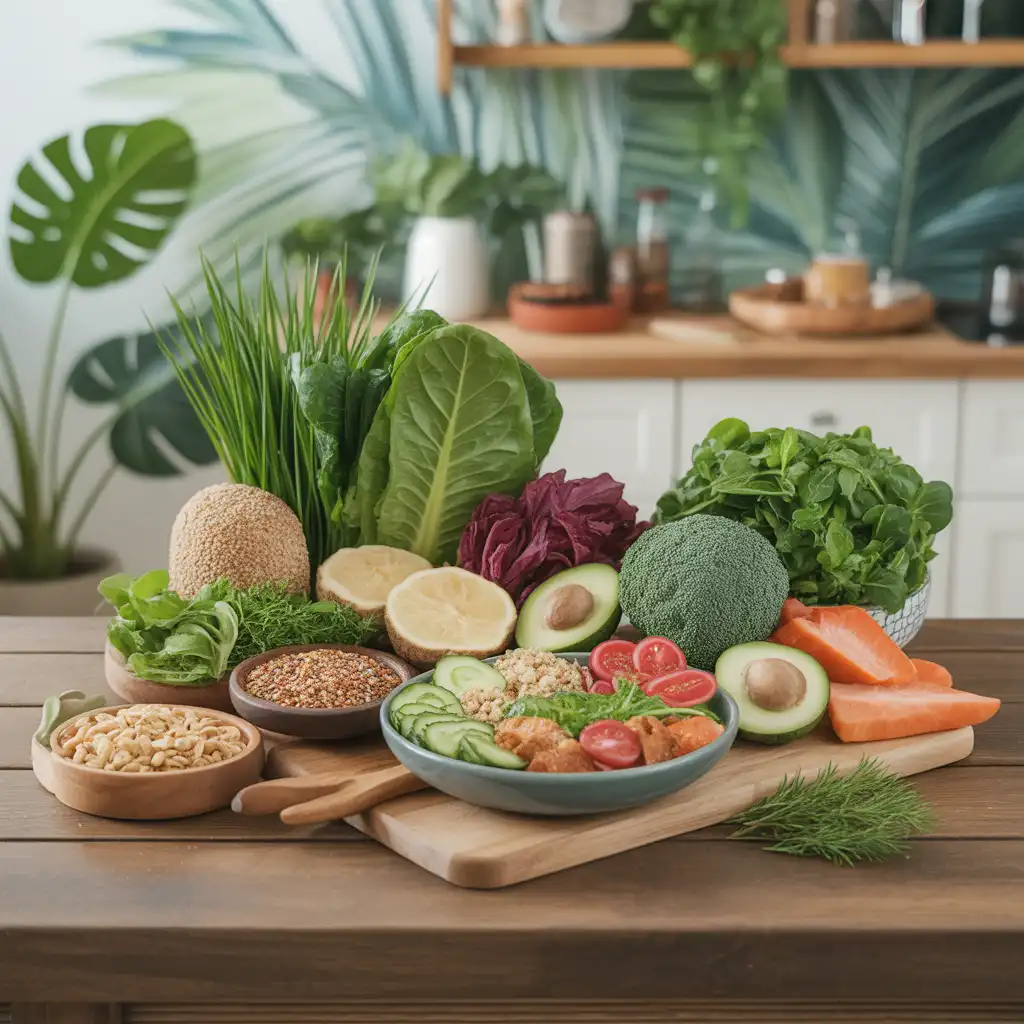
For individuals with diabetes or prediabetes, controlling blood sugar is paramount. High-carb snacks trigger rapid glucose spikes, followed by equally dramatic drops, leading to energy fluctuations, cravings, and long-term health complications. In contrast, diabetic snacks that are low or zero-carb help maintain stable blood sugar levels, preventing these negative consequences. By avoiding rapid glucose surges, you support better insulin sensitivity and overall metabolic health. This approach contributes to better long-term glucose management, reducing the risk of complications associated with diabetes.
Weight Management: Promoting Satiety and Reducing Cravings
Many individuals choose low-carb diets for weight management. Keto snacks for weight loss, particularly zero-carb options, play a key role in this process. Unlike high-carb snacks that often leave you feeling hungry and craving more food shortly after, zero-carb snacks tend to promote longer-lasting satiety. This is partly because high-protein, high-fat snacks take longer to digest, keeping you feeling fuller for longer periods. This translates to reduced overall calorie intake and can significantly aid in weight loss efforts. Moreover, by reducing blood sugar fluctuations, you also curb those intense sugar cravings that often sabotage weight loss goals.
Metabolic Health: Enhancing Insulin Sensitivity and Reducing Inflammation
The benefits of zero carb snacks extend beyond simple weight loss. Chronic inflammation is linked to numerous health problems. Studies suggest that reducing carbohydrate intake can significantly reduce systemic inflammation, a factor contributing to improved metabolic health. Furthermore, by stabilizing blood sugar, zero-carb snacking improves insulin sensitivity. Insulin resistance is a major driver of type 2 diabetes, metabolic syndrome, and other metabolic disorders. By avoiding rapid blood sugar spikes, you help your body use insulin efficiently and improve overall metabolic health.
Improved Energy Levels: Sustained Energy Without the Crash
High-carb snacks often result in an initial energy boost followed by an energy crash. This is because your body rapidly processes the carbohydrates, causing a sudden surge in blood sugar. Then, once the sugar is used up, you experience a significant drop in energy. Zero-carb snacks, particularly those rich in healthy fats and proteins, provide a more sustainable energy release. This means more consistent energy throughout the day, without the roller-coaster effect of high-carb options. This sustained energy can improve mood, focus, and cognitive function, making zero-carb snacking an excellent choice for those with demanding schedules.
Enhanced Cognitive Function: Supporting Brain Health
The brain relies on a consistent supply of energy to function optimally. Fluctuations in blood sugar can negatively affect cognitive function, leading to reduced concentration, memory problems, and difficulty focusing. By stabilizing blood sugar, healthy snacks, particularly zero-carb options, support better cognitive function. The consistent energy supply fuels the brain, leading to improved mental clarity, focus, and memory. This makes zero-carb snacking beneficial for individuals who require optimal cognitive performance throughout the day.
Supporting Ketosis: Optimizing Fat Burning
For those following a ketogenic diet, the primary benefit of keto diet snacks is their ability to support ketosis. Ketosis is a metabolic state in which the body burns fat for energy instead of glucose. Consuming carbohydrates, even in small quantities, can hinder the process of ketosis. Therefore, choosing zero-carb snacks ensures you remain in ketosis and continue to benefit from fat burning. This is a crucial aspect for individuals seeking weight loss or managing specific health conditions through a ketogenic approach. High-fat, zero-carb snacks are especially beneficial for sustaining energy levels during ketosis.
Who Should Eat Zero-Carb Snacks? Expanding the Benefits
The advantages of zero-carb snacking extend far beyond simply following a ketogenic diet. While keto is a primary beneficiary, numerous other individuals can significantly benefit from incorporating these snacks into their daily routines. Let’s explore the diverse groups who can experience positive changes by making smart choices about their snacks.
Individuals with Diabetes: Managing Blood Sugar Effectively
For people managing diabetes, especially type 2, controlling blood sugar fluctuations is critical. Traditional snacks often lead to rapid spikes and subsequent drops in blood glucose, negatively impacting energy levels and overall health. Zero-carb diabetic snacks offer a superior alternative. They minimize the impact on blood sugar, promoting stability and preventing the energy crashes common with high-carb options. This consistent energy supports better health outcomes and helps to manage the disease effectively. The focus on nutrient-rich, zero-carb options provides essential vitamins and minerals without the detrimental effects of excessive sugar.
Pre-Diabetics: Preventing Progression to Type 2 Diabetes
Individuals with prediabetes are at increased risk of developing type 2 diabetes. Adopting a low-carb lifestyle, including smart snacking choices, can be a powerful preventative measure. By choosing diabetic friendly snacks that are zero-carb, pre-diabetics can significantly reduce their risk of developing full-blown type 2 diabetes. This preventative approach supports better insulin sensitivity and overall metabolic health, minimizing the risk factors linked to the disease’s onset.
Keto Dieters: Maintaining Ketosis and Optimizing Fat Burning
For those on the ketogenic diet, the importance of zero-carb snacks is undeniable. These snacks are crucial for avoiding disruptions in ketosis—the metabolic state where the body efficiently burns fat for energy. Even small amounts of carbohydrates can hinder this process. The right keto snacks, in this case, are essential for staying in ketosis and maximizing weight loss and other health benefits associated with the ketogenic approach. They provide crucial nutrients and energy without kicking the body out of its fat-burning state.
Intermittent Fasters: Curbing Hunger and Maintaining Energy
Intermittent fasting involves cycling between periods of eating and voluntary fasting. During the fasting period, it’s crucial to avoid food altogether or to consume only very low-calorie snacks. Zero-carb snacks, such as a small amount of nuts, can help curb hunger and maintain energy levels during these periods without breaking the fast and negating its metabolic benefits. Remember to choose carefully: these snacks must be truly low-carb and minimal in calorie density. Proper planning for these snacks is key to successful intermittent fasting.
Those with PCOS: Improving Insulin Sensitivity and Hormone Balance
Polycystic ovary syndrome (PCOS) is often characterized by insulin resistance and hormonal imbalances. A low-carb approach, including the strategic use of zero-carb healthy snacks, can significantly improve insulin sensitivity and help regulate hormone levels. By stabilizing blood sugar, you contribute to better hormone balance, which can positively impact symptoms associated with PCOS. This approach focuses on nutritional support while avoiding the adverse effects of high-carb foods on hormonal regulation.
Athletes and Active Individuals: Fueling Performance and Recovery
Athletes and active individuals require optimal energy and nutrient intake to support performance and recovery. Zero-carb snacks can be an excellent way to replenish nutrients without negatively affecting blood sugar levels. These snacks provide sustained energy and essential nutrients, contributing to efficient training and quicker recovery from workouts. Smart choices in healthy snacks for this demographic will depend greatly on the type and intensity of the activity.
Travelers and Busy Professionals: Convenience and Portability
Life on the go often means less control over food choices. Zero-carb snacks can be incredibly convenient options for travelers or busy professionals. Many are easy to pack, store, and consume on the go, ensuring you maintain a healthy eating pattern even with a demanding schedule. Planning ahead with suitable snacks can make a big difference in maintaining a healthy diet.
Zero-carb snacks offer a flexible and adaptable approach to healthy snacking for a wide range of individuals. By understanding the needs of diverse groups, we can further appreciate the wide-ranging positive impact these snacks have on overall health and well-being.
Snack Categories Overview: Your Guide to Zero-Carb Deliciousness
To make navigating our extensive list of 30 zero-carb snack ideas easier, we’ve organized them into convenient categories. This allows you to quickly find snacks that fit your preferences, dietary needs, and lifestyle. Whether you crave something savory, sweet, or simply quick and easy, this categorized approach will help you discover your next favorite zero-carb treat.
Dairy-Based Snacks: Creamy, Cheesy, and Satisfying

Dairy products offer a convenient source of protein and healthy fats. Many full-fat dairy options are naturally low in carbs, making them excellent choices for zero-carb snacking. Look for unsweetened varieties to keep net carbs minimal. This category includes options like full-fat cheeses, unsweetened yogurt, and cream cheese.
Protein & Meat Snacks: Fueling Your Body with High-Quality Protein

Protein is essential for satiety and muscle building. Lean meats and poultry provide a great source of protein and are virtually carb-free. Choose uncured, minimally processed options for optimal health benefits. This category offers various options like hard-boiled eggs, deli meat, and protein-rich meats.
Healthy Fats: The Foundation of a Balanced Zero-Carb Diet
Healthy fats are vital for both keto and diabetic diets. They provide sustained energy and support hormone production. Choose nutrient-dense fats like avocados, nuts (in moderation), seeds, and healthy oils. Remember to watch portion sizes, as fats are calorie-dense.
Vegetable-Based Bites: Adding Flavor and Nutrients
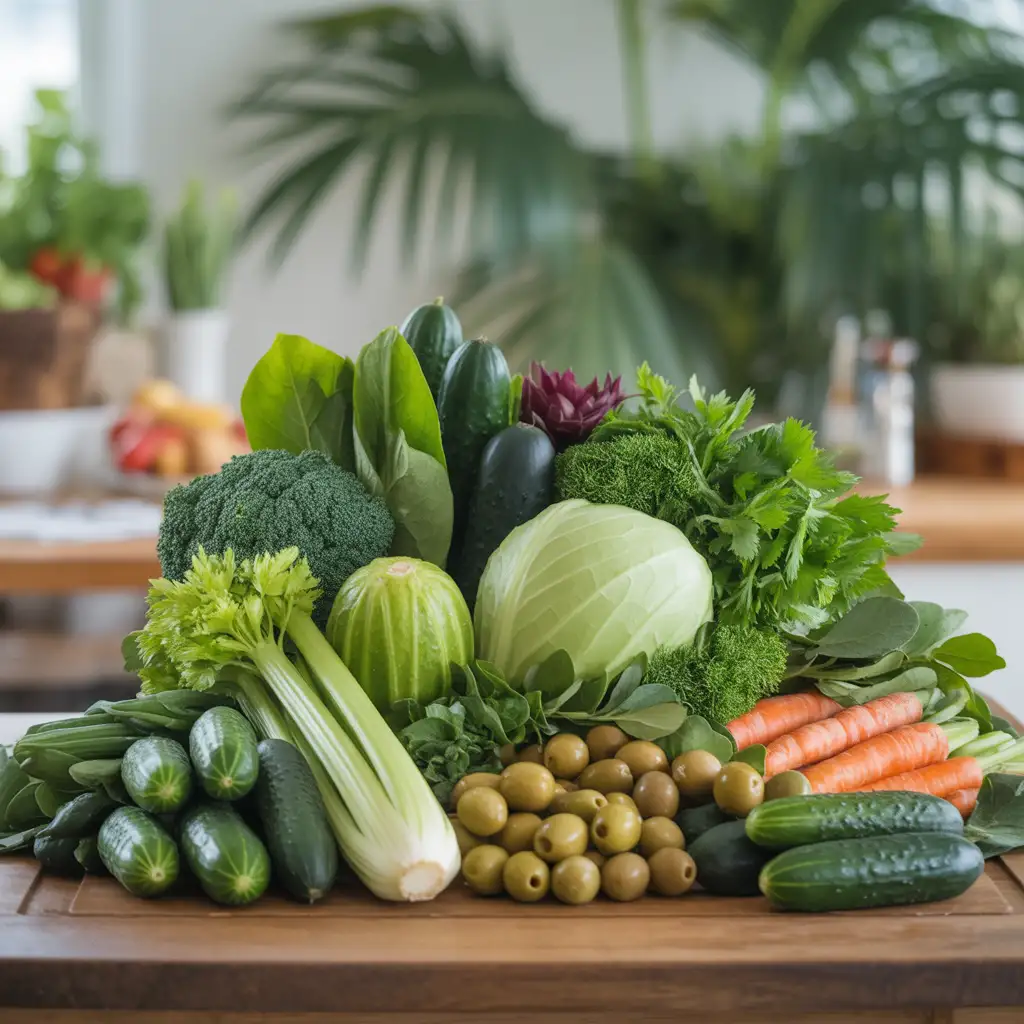
Many vegetables are naturally low in net carbs, especially non-starchy options. These can add flavor, texture, and valuable nutrients to your snacks without derailing your zero-carb goals. Include plenty of leafy greens and non-starchy vegetables such as cucumbers, celery, or olives. Remember to always verify the nutritional content.
Convenient Store-Bought Options: Zero-Carb Snacks on the Go
Finding convenient, ready-to-eat zero-carb options can be challenging. While homemade is ideal, we also recognize the need for convenient choices. Choose store-bought options that adhere to your zero-carb goals. Always carefully check labels for hidden sugars and added carbohydrates. Not all store-bought “keto” products are created equal.
By using this organized approach, you can quickly find the perfect zero-carb snack to satisfy your cravings, support your dietary needs, and help you achieve your health goals.
30 Best Zero-Carb Snacks: A Deliciously Healthy Guide
This section unveils 30 delicious and nutritious zero-carb snack ideas, perfect for ketogenic diets and diabetic-friendly meal plans. Each snack is described, its zero-carb status is explained, and helpful tips for keto and diabetic diets are provided. Remember that “zero-carb” refers to snacks with negligible net carbs (under 1 gram per serving).
Dairy Delights: Creamy and Satisfying Zero-Carb Snacks

- Hard-boiled Eggs: A classic protein powerhouse. Why it’s zero-carb: Negligible carbs. Diabetic/Keto Tip: Excellent source of choline, important for brain health. Net Carbs: ~0g
- Full-Fat Cheese Sticks (Cheddar, Mozzarella, etc.): Portable and satisfying. Why it’s zero-carb: Minimal carbs in most cheeses. Diabetic/Keto Tip: Choose unsweetened varieties. Net Carbs: ~0g
- Full-Fat Greek Yogurt (Unsweetened): High in protein and probiotics. Why it’s zero-carb: Unsweetened varieties have minimal carbs. Diabetic/Keto Tip: Opt for plain, full-fat versions. Net Carbs: ~1g (varies by brand)
- Full-Fat Cream Cheese: Versatile and creamy. Why it’s zero-carb: Very low carb content. Diabetic/Keto Tip: Pairs well with celery or cucumber. Net Carbs: ~0g
Protein Powerhouses: Zero-Carb Snacks for Muscle Growth and Satiety

- Sliced Deli Meat (Uncured): Turkey, chicken, or roast beef. Why it’s zero-carb: Naturally low in carbohydrates. Diabetic/Keto Tip: Avoid varieties with added sugars. Net Carbs: ~0g
- Avocado Slices: Healthy fats and fiber (minimal carbs). Why it’s zero-carb: Mostly healthy fats; very low carb count. Diabetic/Keto Tip: A great source of healthy monounsaturated fats. Net Carbs: ~2g
- Chia Seed Pudding (Unsweetened): Note: Chia seeds do contain some carbs, but this recipe emphasizes the minimal net carbs using almond milk. Why it’s zero-carb: Minimal net carbs using unsweetened almond milk. Diabetic/Keto Tip: Add a touch of cinnamon for flavor. Net Carbs: ~2-3g
Healthy Fats & Flavorful Zero-Carb Snacks
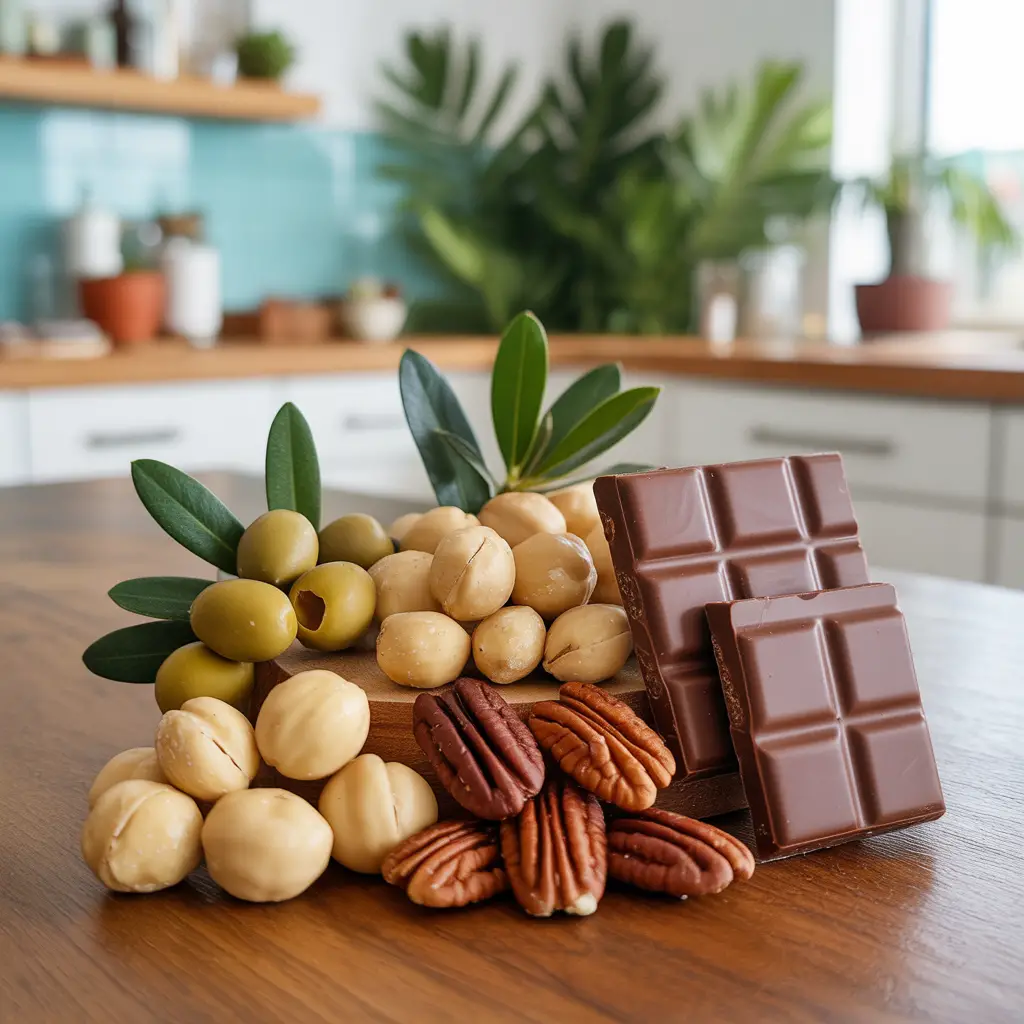
- Macadamia Nuts: High in healthy monounsaturated fats (portion control is key). Why it’s zero-carb: Mostly fat and fiber. Diabetic/Keto Tip: Enjoy in moderation due to calorie density. Net Carbs: ~2g per ounce
- Pecans: Similar to macadamia nuts, but with a different flavor. Why it’s zero-carb: Similar to macadamia nuts. Diabetic/Keto Tip: Sprinkle on salads or yogurt. Net Carbs: ~2g per ounce
- Brazil Nuts: Excellent source of selenium. Why it’s zero-carb: Mostly fat and fiber. Diabetic/Keto Tip: Eat in moderation. Net Carbs: ~1g per nut
- Olives: A delicious source of monounsaturated fats. Why it’s zero-carb: Primarily fat and minimal carbohydrates. Diabetic/Keto Tip: Add to salads or enjoy as a snack. Net Carbs: ~0g
- Unsweetened Dark Chocolate (70% cacao or higher): Antioxidants and a small indulgence. Why it’s zero-carb: Low carb content in dark chocolate. Diabetic/Keto Tip: Enjoy a small amount for a treat. Net Carbs: ~1-2g per ounce
Vegetable-Based Bites: Zero-Carb Snacks Packed with Nutrients
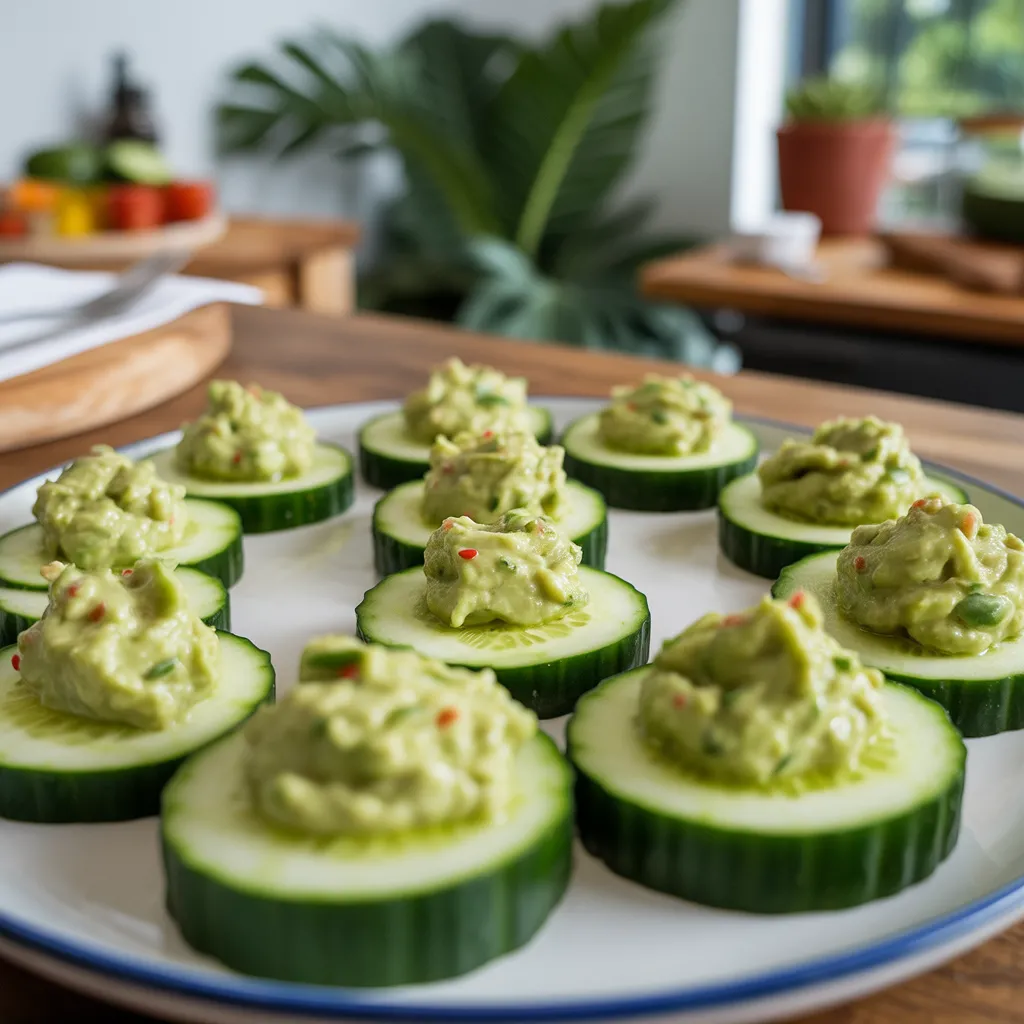
- Cucumber Slices with Guacamole: Refreshing and satisfying. Why it’s zero-carb: Cucumbers have minimal carbs; guacamole primarily healthy fats. Diabetic/Keto Tip: A great low-calorie snack option. Net Carbs: ~1g per serving
- Celery Sticks with Cream Cheese: Crunchy and flavorful. Why it’s zero-carb: Celery is very low in net carbs; cream cheese has almost no carbohydrates. Diabetic/Keto Tip: A satisfying, low-calorie snack. Net Carbs: ~1g per serving
Savory & Crunchy Zero-Carb Snacks
- Pork Rinds (Unflavored): A crunchy, low-carb alternative to chips. Why it’s zero-carb: Made from pork skin, mostly protein and fat. Diabetic/Keto Tip: Choose unflavored to avoid added sugars. Net Carbs: ~0g
Other Delicious Zero-Carb Snacks
- Cheese Crisps: Easy to make at home. Why it’s zero-carb: Made from cheese, virtually no carbs. Diabetic/Keto Tip: Experiment with different cheeses. Net Carbs: ~0g
- Seaweed Snacks: Low in calories and a good source of iodine. Why it’s zero-carb: Naturally low carbohydrate content. Diabetic/Keto Tip: A crispy and low-calorie option. Net Carbs: ~0g
- Bone Broth: Provides essential nutrients and collagen. Why it’s zero-carb: Virtually no carbohydrates. Diabetic/Keto Tip: Excellent source of electrolytes. Net Carbs: ~0g
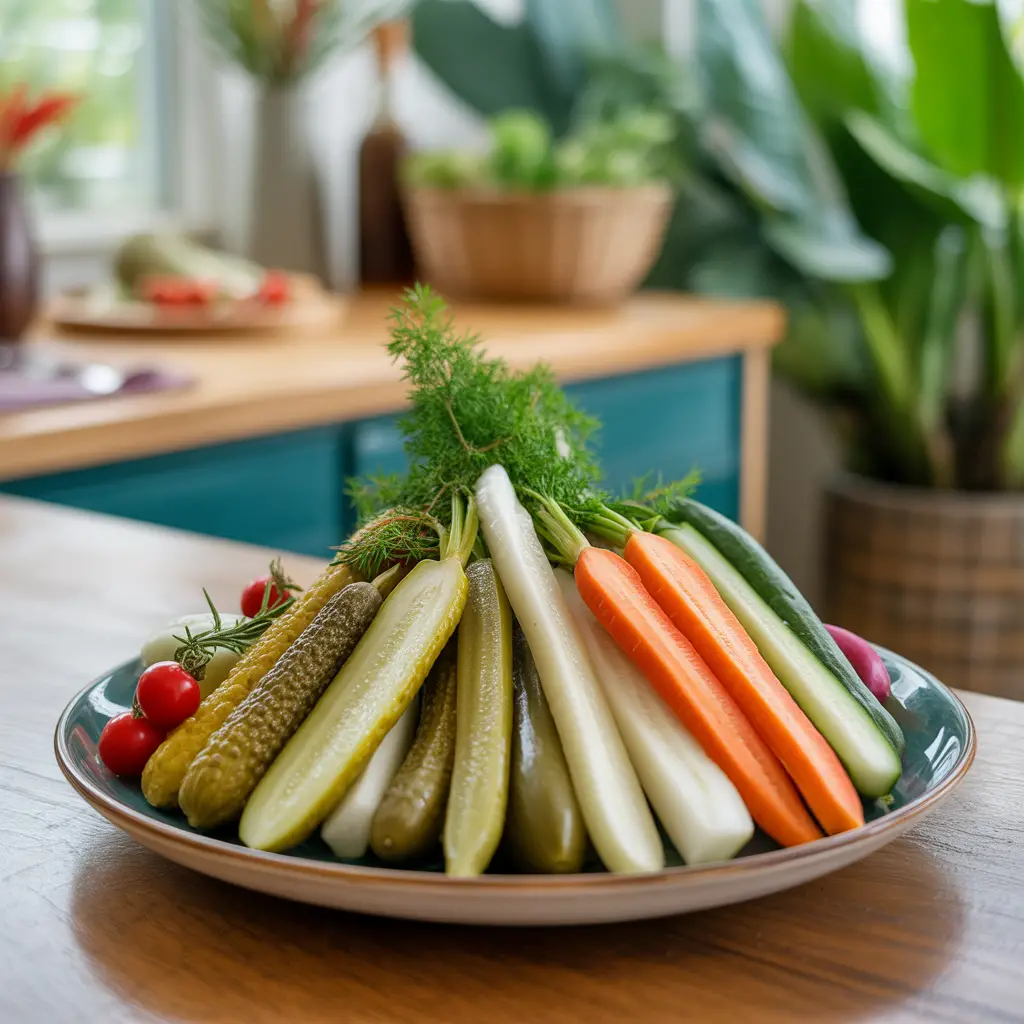
- Pickled Vegetables (Unsweetened): Adds flavor and beneficial probiotics. Why it’s zero-carb: Vegetables have minimal carbs; pickling process doesn’t add significant carbs. Diabetic/Keto Tip: Choose unsweetened varieties. Net Carbs: ~1g per serving (varies)
- Unsweetened Almond Milk with Cocoa Powder: A chocolatey treat without the sugar. Why it’s zero-carb: Almond milk is low-carb; cocoa powder adds flavor with minimal carbs. Diabetic/Keto Tip: Use unsweetened cocoa powder. Net Carbs: ~1-2g per serving
- Bulletproof Coffee: Coffee blended with butter or MCT oil. Why it’s zero-carb: Coffee and healthy fats. Diabetic/Keto Tip: Provides sustained energy. Net Carbs: ~0g
- Sugar-Free Jello (Check Ingredients Carefully): A sweet treat option. Why it’s zero-carb: Sugar-free versions contain minimal carbs. Diabetic/Keto Tip: Read labels for hidden carbs. Net Carbs: ~1-2g (varies by brand)
- Coconut Yogurt (Full-Fat, Unsweetened): A creamy alternative to dairy yogurt. Why it’s zero-carb: Unsweetened varieties have very low carb content. Diabetic/Keto Tip: Check labels for added sugars. Net Carbs: ~1-2g (varies by brand)
- Shirataki Noodles (Prepared Properly): Very low in calories and carbs. Why it’s zero-carb: Made from a konjac yam, low carb and high fiber. Diabetic/Keto Tip: Have a unique texture; prepare well. Net Carbs: ~0g
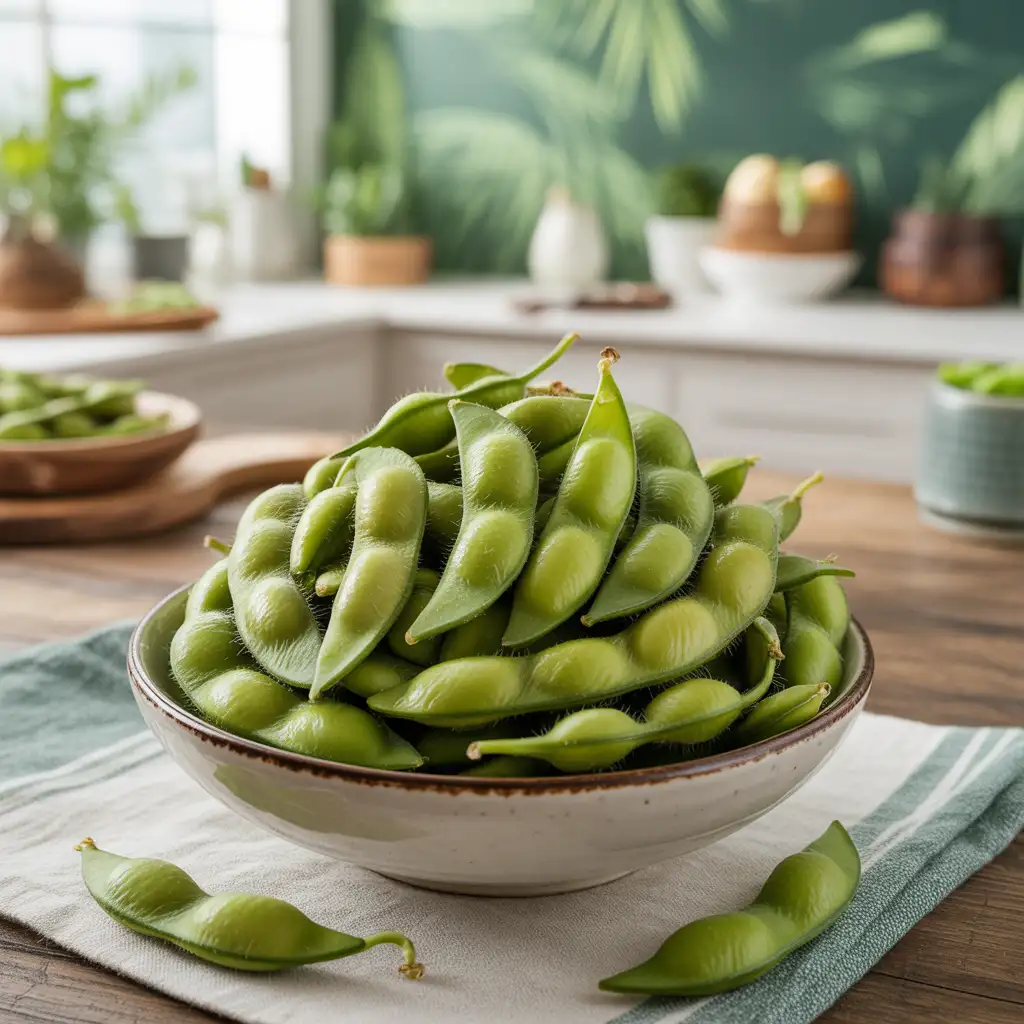
- Edamame (Shelled): Moderate in carbs, high in protein and fiber; use sparingly. Why it’s low-carb (not zero): Contains a moderate amount of carbs; high fiber content. Diabetic/Keto Tip: Excellent source of protein; use sparingly. Net Carbs: ~3g per serving
- Nutritional Yeast: Adds a cheesy flavor to dishes. Why it’s zero-carb: No carbs. Diabetic/Keto Tip: Good source of B vitamins. Net Carbs: ~0g
- MCT Oil: Can be added to coffee or smoothies for energy. Why it’s zero-carb: Medium-chain triglycerides; no carbohydrates. Diabetic/Keto Tip: A good source of quick energy. Net Carbs: ~0g
- Prosciutto-Wrapped Cheese: A salty and satisfying portable snack. Why it’s zero-carb: Prosciutto and cheese have negligible carbs. Diabetic/Keto Tip: Great for portability. Net Carbs: ~0g
- Tuna Salad (No Bread): High protein, healthy fats. Serve with celery or lettuce. Why it’s zero-carb: Tuna and vegetables are low in carbs. Diabetic/Keto Tip: Mayonnaise adds healthy fats. Net Carbs: ~1-2g (depending on additions)
- Unsweetened Coconut Aminos: Use sparingly as a savory condiment. Why it’s zero-carb: Minimal carb content; use sparingly. Diabetic/Keto Tip: Substitute for soy sauce. Net Carbs: ~1g per tablespoon
This diverse list of zero carb snacks offers a wide range of flavors and textures to suit various preferences and needs. Remember to always check labels and adjust portion sizes based on your individual dietary requirements.
How to Read Snack Labels Like a Pro: Spotting Hidden Carbs
Navigating the supermarket aisles can feel like a minefield when you’re on a low-carb or ketogenic diet. Even products marketed as “keto-friendly” or “low-carb” can contain hidden sugars and carbohydrates that derail your progress. Mastering the art of reading nutrition labels is crucial for making informed choices and selecting truly effective zero carb snacks. This section provides a practical guide to deciphering labels and identifying potential pitfalls.
Understanding the Nutrition Facts Panel: Key Information to Look For
The Nutrition Facts panel provides essential information about a food’s nutritional content. Focus on these key areas when selecting keto snacks or diabetic snacks:
- Serving Size: Pay close attention to the serving size. The values listed are for that specific serving; consuming more than one serving significantly increases the total carb count.
- Total Carbohydrates: This is the starting point for calculating net carbs. Note this number carefully.
- Dietary Fiber: Subtract the fiber content from the total carbohydrate content to obtain the net carb count. Fiber is crucial for digestive health and doesn’t significantly affect blood sugar.
- Total Sugars: Added sugars are particularly detrimental to blood sugar control and ketosis. Aim for products with minimal added sugar.
- Other Carbohydrates: This section often lists sugar alcohols and other types of carbohydrates that contribute to the net carb count.
Hidden Carbs: Ingredients to Watch Out For
Many processed foods contain hidden carbohydrates, often disguised under different names. These ingredients should be approached with caution when selecting healthy snacks for keto or diabetic diets. Here are some common culprits:
- Maltodextrin: A highly processed carbohydrate often used as a filler or sweetener.
- Dextrose: A simple sugar, rapidly absorbed by the body, causing blood sugar spikes.
- Corn Syrup (High Fructose Corn Syrup): A highly processed sweetener that dramatically affects blood sugar.
- Various Starches (Corn Starch, Tapioca Starch, etc.): These contribute significantly to total carbs.
- Sugar Alcohols (Xylitol, Erythritol, etc.): While often used in “sugar-free” products, they still contribute to net carbs and can have digestive side effects.
Calculating Net Carbs: A Simple Formula for Informed Choices
Calculating net carbs is straightforward: Subtract the grams of dietary fiber from the grams of total carbohydrates. This calculation gives you a more accurate representation of the digestible carbohydrates that will impact your blood sugar levels and ketosis. For example, if a snack has 10g of total carbohydrates and 3g of fiber, the net carbs are 7g. This is crucial information when selecting your keto snacks or diabetic snacks.
Choosing Trustworthy Brands: Prioritizing Clean Labels
Selecting brands known for clean labels and transparent nutritional information is an excellent strategy. Look for companies that prioritize whole, unprocessed ingredients and avoid excessive added sugars or hidden carbs. Many companies now specifically market their products as keto-friendly, often explicitly stating net carb counts. Always double-check the nutrition facts to ensure they align with your dietary goals. This approach simplifies the process of selecting healthy keto snacks and healthy low carb snacks.
Common Pitfalls and How to Avoid Them
Be wary of marketing tactics and claims. Just because a product is labeled as “keto” or “low-carb” doesn’t automatically mean it aligns with your dietary goals. Always verify the nutritional information independently, carefully examine the ingredient list for hidden carbs, and calculate the net carbs yourself. This proactive approach helps you prevent unintentional consumption of excessive carbohydrates.
By mastering the art of reading nutrition labels, you can make confident and informed decisions about your snacking choices, ensuring that your chosen zero carb snacks truly support your health and wellness goals. This empowers you to navigate the supermarket with ease and confidently select the best options for your individual needs.
Smart Snacking Tips for Diabetics and Keto Dieters
Choosing the right zero carb snacks is only half the battle. To maximize the benefits for both diabetic and ketogenic diets, smart snacking strategies are crucial. This section offers practical tips to optimize blood sugar control, maintain ketosis, and enhance your overall dietary success.
Timing Your Snacks: Avoiding Blood Sugar Spikes and Crashes
For diabetics, timing is everything. Consuming snacks too close to meals can lead to excessive blood sugar spikes. Ideally, space your snacks between meals to prevent these surges and maintain more consistent glucose levels. For keto dieters, consistent blood sugar levels are equally vital to support ketosis and avoid disruptions in fat burning. Experiment to find a timing strategy that works best for your body and your schedule.
Portion Control: The Key to Avoiding Excess Calories and Maintaining Ketosis
Even healthy zero carb snacks should be consumed in moderation. Overeating, even of healthy foods, can lead to weight gain and disrupt your dietary goals. Pay attention to serving sizes, and learn to recognize your body’s hunger and fullness cues. This mindful approach helps to prevent overconsumption and supports consistent weight management. Remember that even healthy fats are calorie-dense, so portion control remains a key strategy.
Pairing Snacks Smartly: Enhancing Blood Sugar Control and Satiety
Combining zero carb snacks with fiber or healthy fats can significantly enhance blood sugar control and promote satiety. Fiber slows down the absorption of nutrients, preventing rapid blood sugar spikes. Healthy fats also contribute to feeling full for longer periods. For example, pairing a small portion of nuts with a piece of cheese provides both healthy fats and protein, resulting in a more satisfying and balanced snack. This helps to regulate blood sugar more effectively and reduce the overall calorie intake for weight management.
Preparation and Planning: Making Healthy Snacking Convenient
Planning ahead is key to successful snacking. Prepare snacks in advance to avoid impulsive unhealthy choices when hunger strikes. Pre-portioning your snacks into individual containers makes it easier to manage serving sizes and prevents overeating. Keeping a variety of healthy zero carb snacks on hand ensures you always have a suitable choice available, regardless of your location or schedule. This strategy is especially effective in preventing unhealthy choices when away from home.
Listening to Your Body: Recognizing Hunger and Fullness Cues
This might seem obvious, but many people ignore their body’s signals. Learn to distinguish between true hunger and emotional or habitual eating. Before reaching for a snack, take a moment to assess your hunger level. Are you truly hungry, or are you simply bored, stressed, or experiencing an emotional craving? This mindful approach helps to make healthier choices and supports better overall self-awareness and control.
Hydration: Don’t Underestimate the Importance of Water
Staying adequately hydrated is crucial for overall health and can significantly impact hunger levels. Sometimes, what you perceive as hunger might actually be thirst. Drinking a glass of water before reaching for a snack can often alleviate feelings of hunger and prevent unnecessary calorie consumption. Sufficient hydration contributes to better digestive health and helps your body function optimally.
By following these smart snacking tips, you can maximize the benefits of zero carb snacks and create a sustainable approach to healthy eating for both keto and diabetic diets. Remember that consistency and mindful choices are key to long-term success. These strategies will help you navigate your snack choices more effectively and achieve better results from your chosen diet.
Conclusion: Embrace Delicious and Healthy Zero-Carb Snacking
This comprehensive guide has unveiled 30 smart zero carb snacks, demonstrating that healthy snacking doesn’t have to be boring or restrictive. Whether you’re following a ketogenic diet or managing diabetes, these options offer a delicious and effective way to manage blood sugar, maintain ketosis, and support your overall health goals. Remember, the key is to focus on whole, unprocessed foods and to be mindful of portion sizes.
Key Takeaways: Empowering You with Knowledge and Delicious Options
- Understanding Net Carbs: Net carbs are the key to effective low-carb snacking. Learning to calculate net carbs empowers you to make informed choices.
- Variety is Key: This guide provides a diverse range of zero carb snacks, from savory to sweet, ensuring you never get bored.
- Prioritize Whole Foods: Opt for whole, unprocessed foods whenever possible. These provide the most nutritional value.
- Mindful Portion Control: Even healthy snacks should be consumed in moderation to avoid excess calories.
- Strategic Snack Timing: Timing your snacks strategically can improve blood sugar control and maintain ketosis.
Experiment and Discover Your Favorites
Don’t be afraid to experiment! This extensive list of zero carb snacks provides a great starting point, but your personal preferences will ultimately guide your choices. Try out a few different options to discover your favorites and create a diverse and satisfying snack routine. Remember that healthy snacking should be enjoyable and sustainable. This article aims to empower you to make informed choices that support your health and dietary goals.
Sustaining Your Success
The transition to a low-carb diet can be challenging. Having the right knowledge and resources to plan for delicious and effective zero carb snacks is vital to long-term success. We hope this article has equipped you with the information and inspiration to make informed decisions and develop a snacking plan that supports your unique needs and preferences. Consistent effort, mindful choices, and a flexible approach will make a big difference.
Remember to always consult with your doctor or a registered dietitian before making significant dietary changes, especially if you have underlying health conditions.


